Pinnacle Peak
The ExceptionPinnacle Peak is a desert setting where a casual outing becomes a turning point in Jada Stanley’s thinking. The climb with Kari and Max Quinn moves her from reluctance toward a brighter mood, then gives her the distance to reconsider a memory of Cane Alexander and the future she wants to pursue. Its significance lies not only in the view, but in the small flower Jada finds growing through a crack in the bare ground: an image that helps her turn reflection into resolve.
Setting and Visit
Kari proposes doing something fun, and Max suggests going to Pinnacle Peak. Jada initially objects, while Kari responds with enthusiasm. The contrast sets the outing in motion as something Jada has not chosen eagerly, rather than a destination she approaches with a clear purpose. Max leads the way and gets water bottles from the cooler for the group.
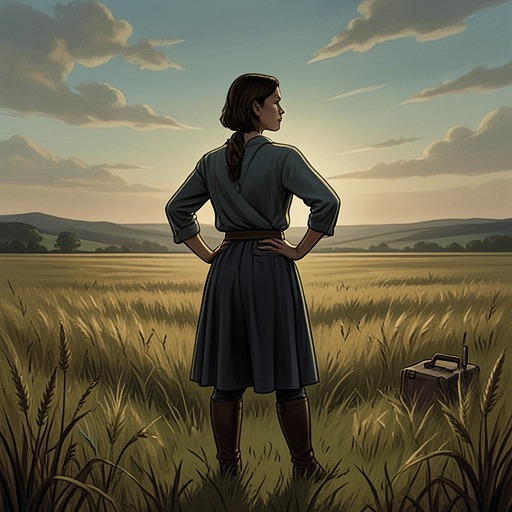
The weather is bright and beginning to cool: the sun is not baking, and an easy breeze moves across the trail. As Jada walks over granite-strewn ground, her mood lifts with each step. She and Kari stop to take silly selfies beside the cacti, while Max patiently waits for them. By the time they reach the pinnacle, Jada is smiling. The scene’s change is modest but concrete: a reluctant start gives way to pleasure in the outing and the landscape.
The View and an Earlier Memory
At the summit, Kari and Max go to the other side to take a selfie together, leaving Jada seated by herself on the hard ground. From the elevation, the desert looks beautiful. The view brings Cane to mind: Jada remembers seeing a similar vista with him beside her and recalls that he had opened up a little, sharing stories about his family.
The present view is from a different point than the one Jada shared with Cane, and that difference shapes her reflection. Looking across the city, she realizes that the way everything appears depends on perspective. Pinnacle Peak therefore holds two views in relation to each other: the landscape in front of her and the remembered landscape of an intimate conversation. The recollection does not erase the present; it gives Jada a way to think about how a changed position can alter what she sees.
The Desert Flower and Jada’s Resolve
Jada notices a small flower to her right, growing in a strip of otherwise bare desert floor. Its thick stalk is lodged in a crack in the earth, and its peach-colored petals are in the sun. The flower’s circumstances are specific: it has emerged among rocks, in heat, and in a difficult location. Jada reads its survival and bloom as evidence of persistence, not as effortless good fortune.
That reading becomes personal. Seeing the flower leads Jada to recognize that she, too, needs to fight for what she wants. The moment does not specify every step she will take, but it makes her intention plain: she will no longer treat the future as something to wait for or merely hope to understand. After the group returns to Max’s truck, Cane messages her that he misses her, bringing their relationship back into the immediate aftermath of her solitary reflection.
Narrative Significance
Pinnacle Peak gives Jada a pause within the surrounding personal upheaval. The group’s hike supplies movement and companionship, but the decisive insight arrives when she sits apart from Kari and Max. The flower is not simply part of a scenic backdrop: its growth through a crack gives physical form to the perseverance Jada identifies as necessary for herself.
The scene also links perspective to change. Jada sees the city from a different point than the one associated with Cane, and recognizes that the view shifts with the vantage point. That insight resonates with the movement of the outing itself: she begins unwilling to go, finds her mood improving on the trail, and leaves the summit with a clearer sense of what she wants. Pinnacle Peak thus becomes the setting for a quiet but consequential shift from remembering and observing to deciding.